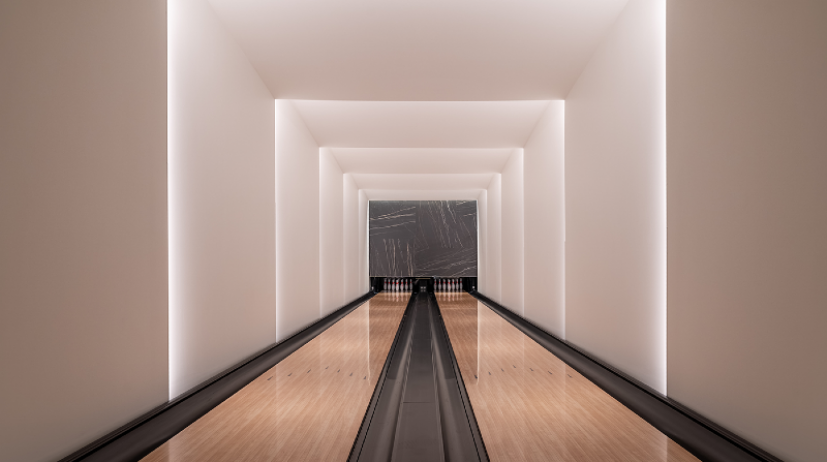
Small Decisions: When to (and not) Specify Ultra-Compact Linear LED Fixtures
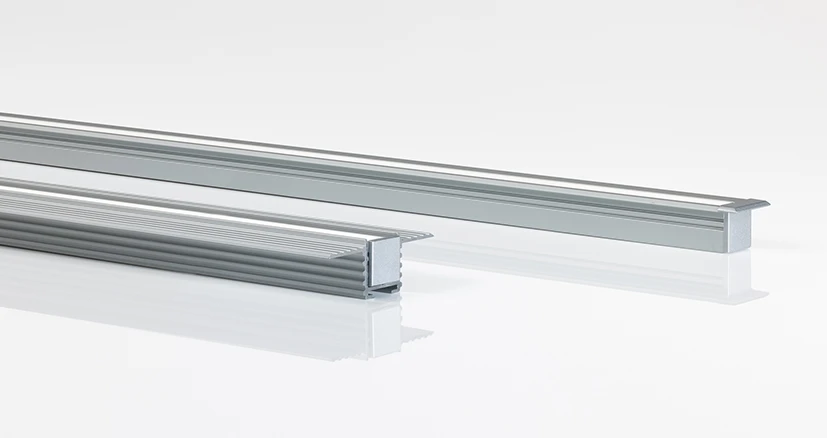
Ultra-compact linear LED fixtures are designed to go where standard-size linear fixtures will not. QTL’s MICRO 5 family, named for its 5mm-wide strips, features six profiles that run between 48 and 60 percent smaller than the standard-size QTL fixtures. They’re as small as a pencil yet still rated up to 323 lm/ft and up to 98 CRI.
What is an ultra-compact linear LED fixture?
An ultra-compact linear LED fixture is a rigid linear luminaire narrow enough to conceal inside architectural millwork, reveals and recesses that won’t accept a standard-size fixture.
The category exists because architectural details shrank faster than fixtures. Spaces such as display cases, small reveals, stair risers and toe-kicks need a line of light but none of them have the depth to hide one.
Which applications call for an ultra-compact fixture?
Reveals, case rails, risers and toe-kicks are dimensioned long before the lighting package is specified, and the fixture must arrive at that number. Fixtures can either disappear into details or become the detail.
- Millwork and undercabinet LED lighting. Continuous lines under upper cabinets where the fixture cannot be seen from a seated position.
- Shelving and display cases. Under-shelf and display case lighting where the fixture must sit behind the rail and disappear.
- Stairs and step lighting. LED step lighting run under each tread, where the fixture depth is set by the nosing.
- Toe-kick lighting. Fixtures must clear the floor plane and stay out of sight lines. See QTL toe-kick lighting fixtures.
- Niche lighting. Recessed details are grazed (lighting cast at shallow angles to highlight textured surfaces) or washed from a concealed source.
- Accent lighting. Fixtures are often meant to be seen. Set into a reveal between wood panels, a narrow line of light reads as a decorative element rather than a concealed source.
- Hidden lighting. The source stays out of sight and only the effect on the surface registers.
Indirect linear lighting and asymmetric optics matter more than raw output in these applications because the fixture is aimed at a surface rather than at the room.
Where does MICRO 5 prove itself on real projects?
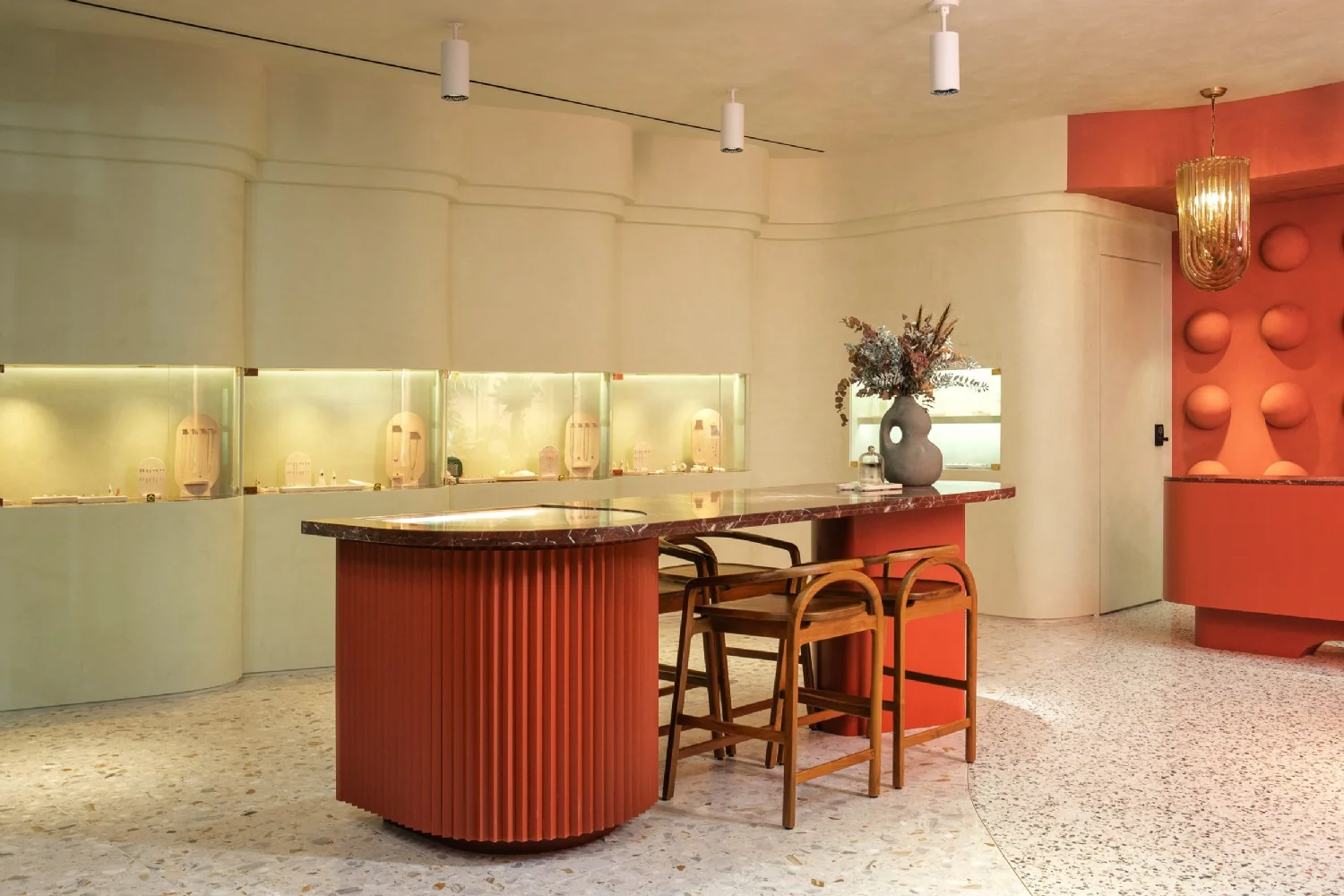
Display cases leave no room for a visible fixture and no tolerance for color drift. MICRO 5 ATOM-OPTICS disappears into Marrow Fine Chicago’s case shelving, and its 5000K CCT keeps every diamond shimmering.
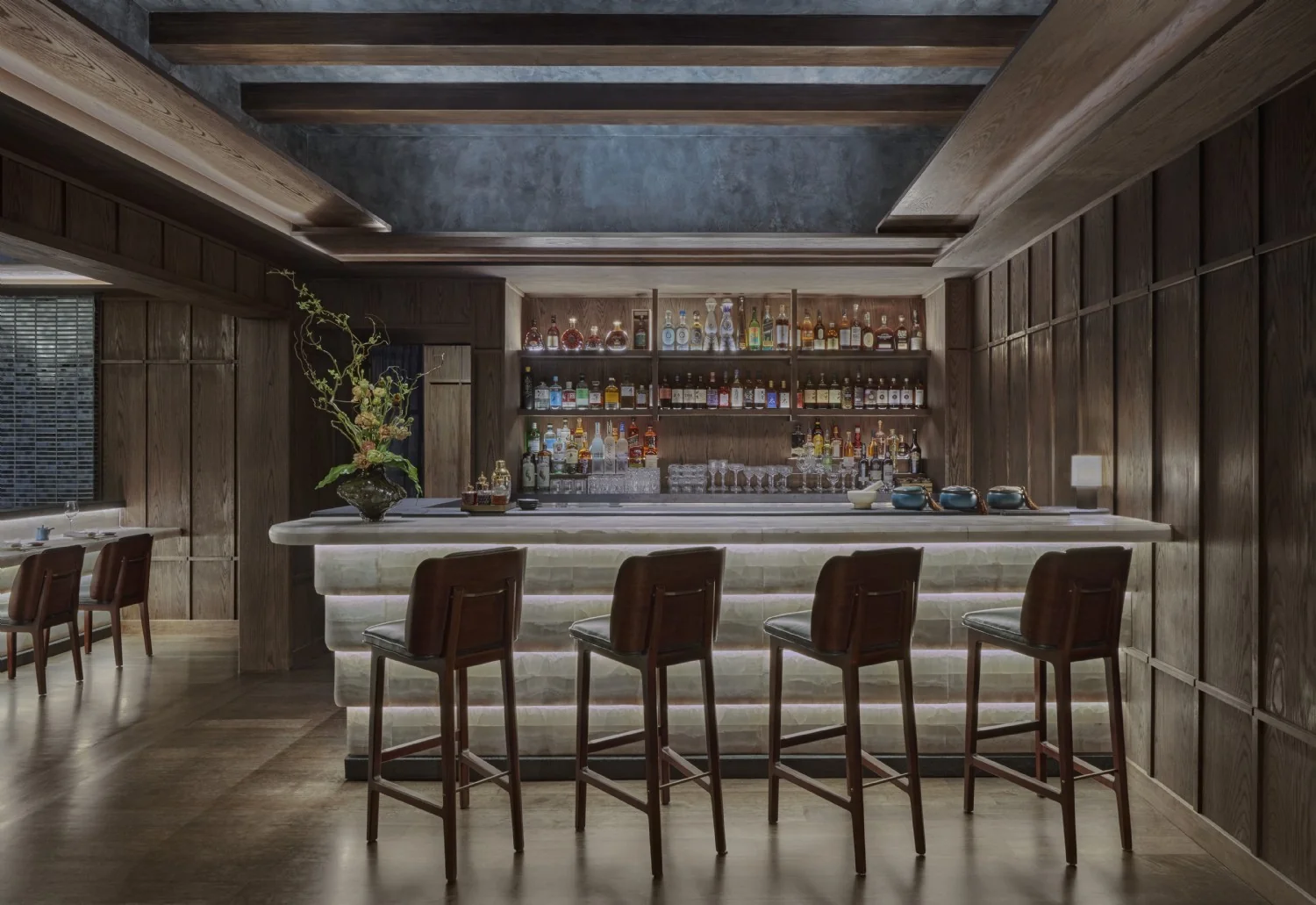
Layered plaster shows every shadow an uneven light casts. MICRO 5 ALTA runs both cove tiers beneath the exposed beams, giving the inky-blue plaster the depth of open water, with no visible source to break the illusion.
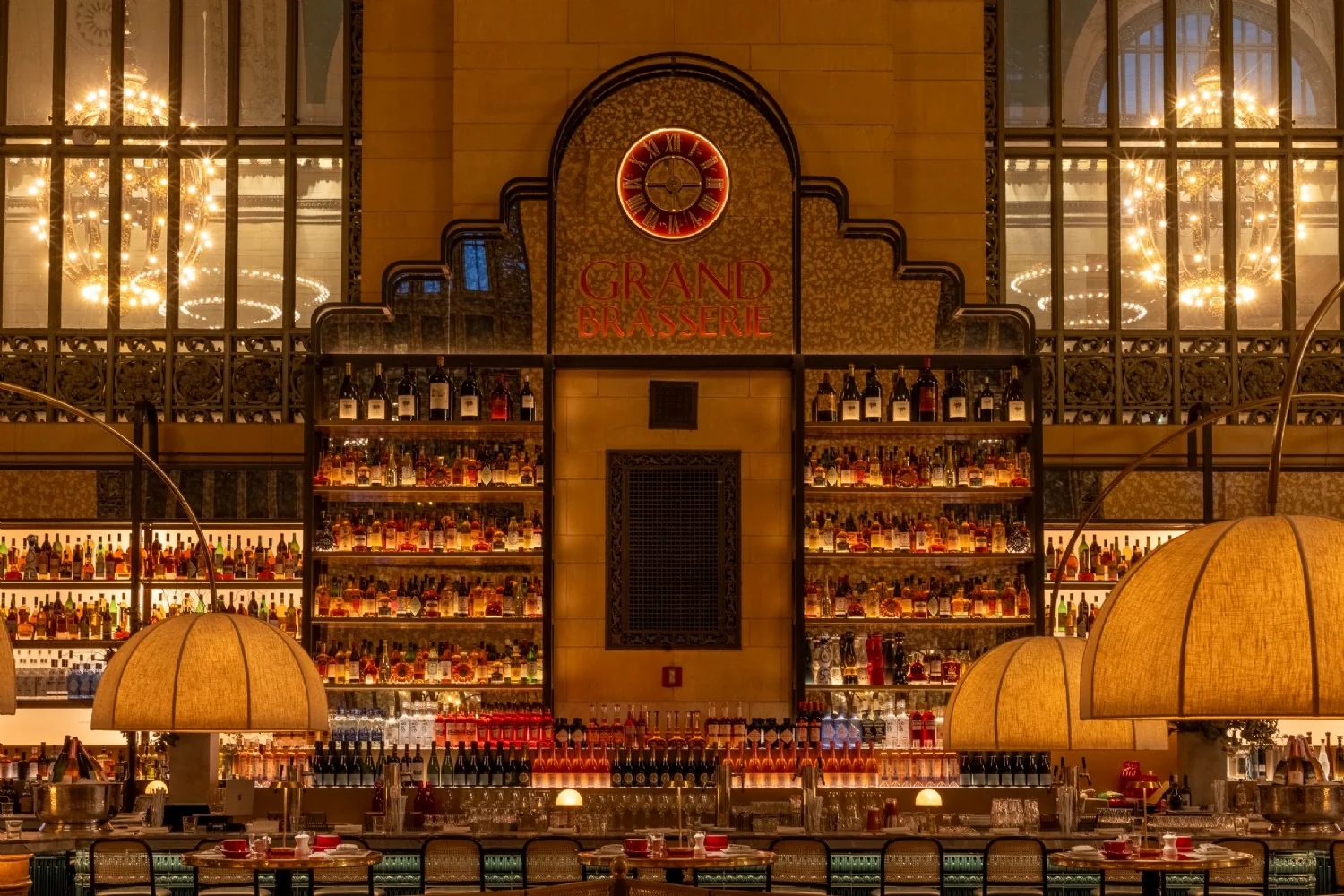
Back bar shelving puts the source at eye level, where a visible diode competes with the bottles. At Grand Brasserie, vertical MICRO 5 ATOM fixtures tuck into the shelving edges, anchoring the room's focal point with a soft glow and no visible source.
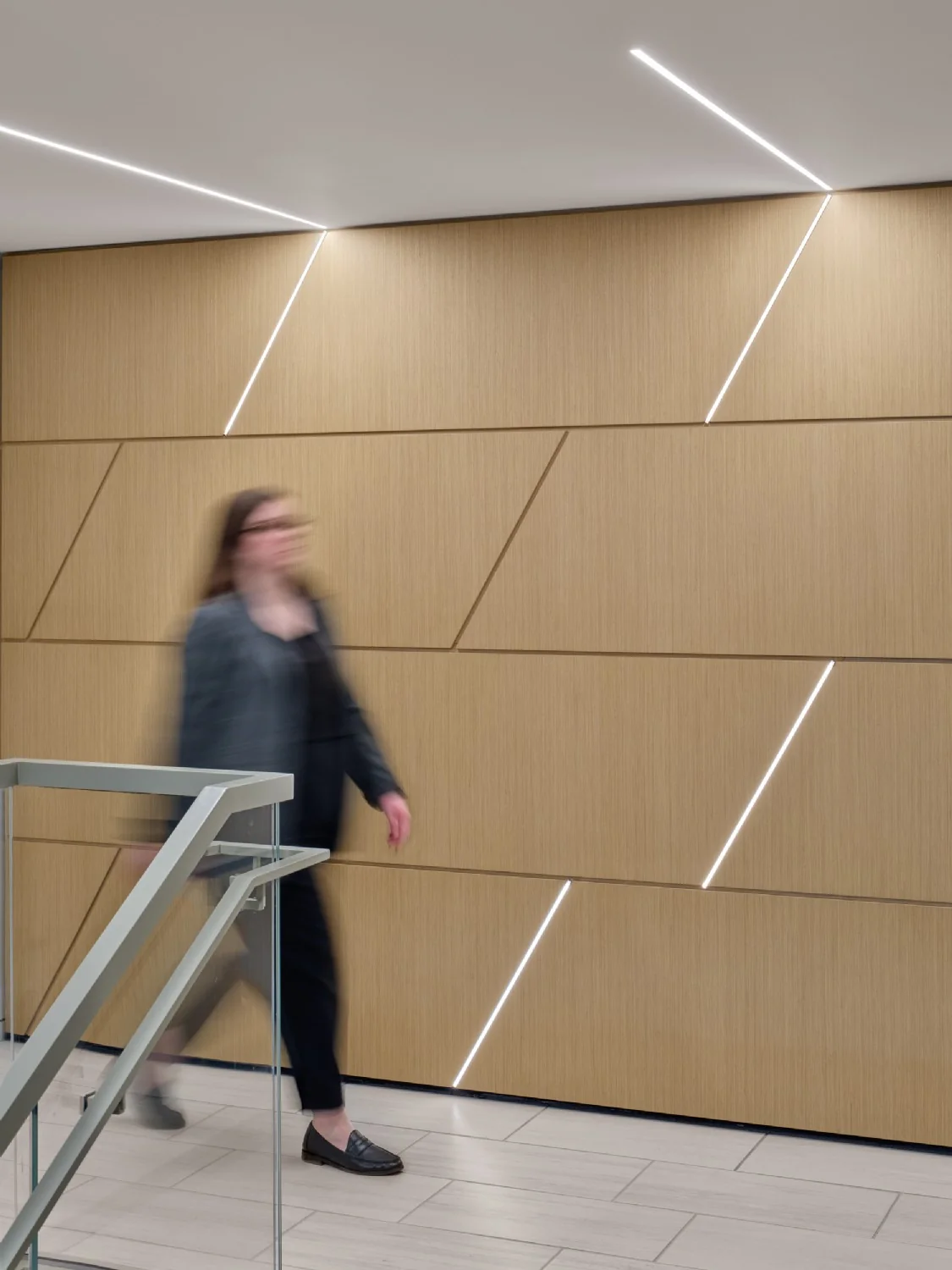
Millwork reveals leave zero margin for a fixture that doesn't match their width exactly. Built into Zuckerman Spaeder's wood ceiling and wall seams, MICRO 5 ATOM-FLAT (01) follows the same narrow rhythm as the paneling, keeping the corridor's lines unbroken. See the office corridor lighting at Zuckerman Spaeder.
What are the limitations of ultra-compact profiles?
MICRO 5 is limited to 4 watts-per-foot, so maximum lumen output is lower than a standard-size linear LED fixture. If a design calls for greater light than the profile can carry, a standard-size fixture is the right call.
Strip selection is narrower, too. MICRO 5 is offered in Static White, Dynamic White and RGB. It does not offer RGBW or High Efficacy strips, but those are available in QTL’s standard-size fixtures.
How do the six MICRO 5 profiles compare?
| Profile | Dimensions (Flat lens) | Application type | Distribution | Specify it for |
|---|---|---|---|---|
| ATOM | 0.44” x 0.37”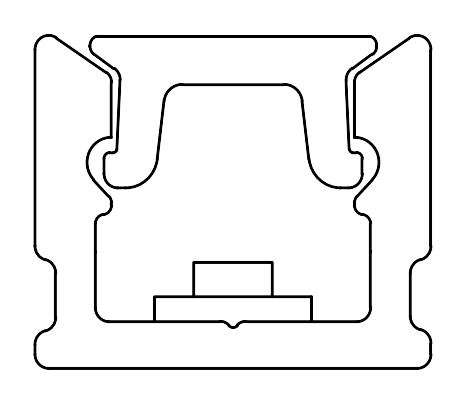 |
Surface or recess | 120 degrees, or 20 degrees with optics | The smallest profile in the family. Display cases, undercabinet, millwork |
| ALTA | 0.44” x 0.43”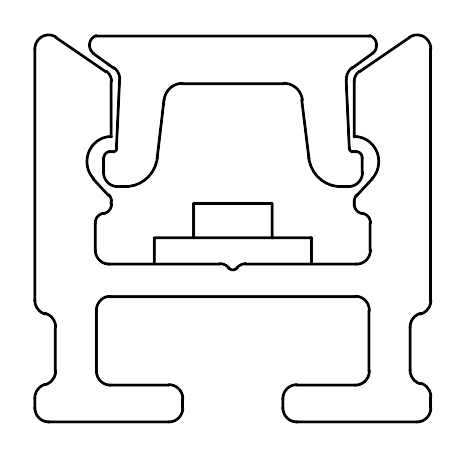 |
Surface or recess | 120 degrees, or 30 degrees with optics | Millwork where a fixture may need to be removed for service or replacement |
| TILT | 0.44” x 0.44”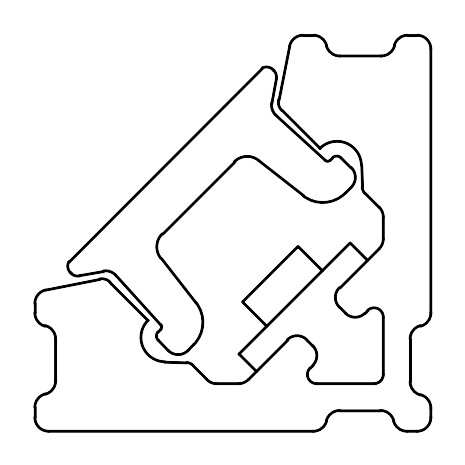 |
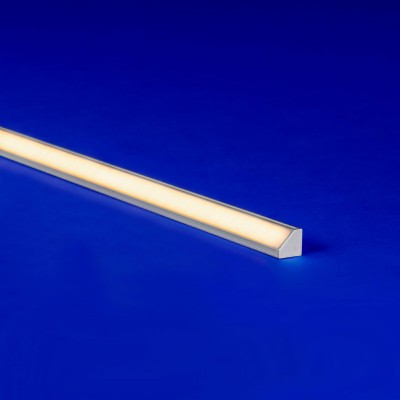
Corner | 85 degrees through a 45-degree angled lens | Inside corners and undercabinet, throwing light out and down |
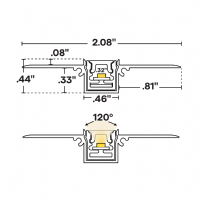
| SLITE | 2.08” x 0.44”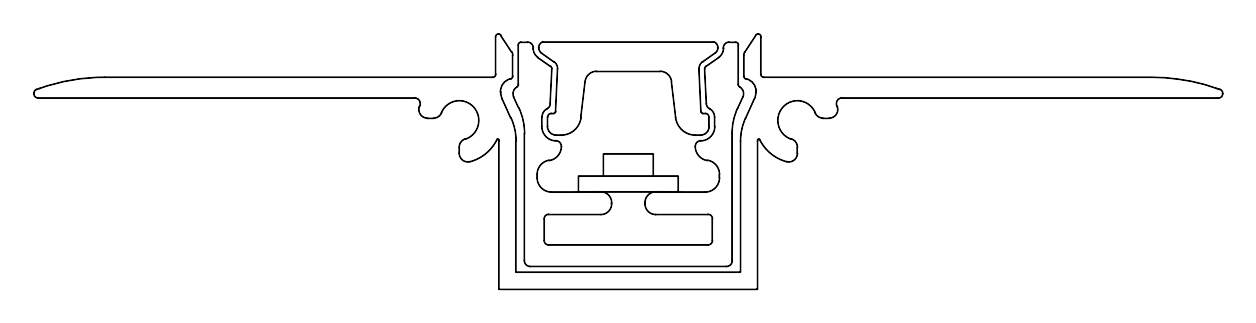 |
Recessed drywall | 108 to 112 degrees | Drywall reveals and runs that wrap from one plane to another |
| KICKER | 0.71” x 0.41”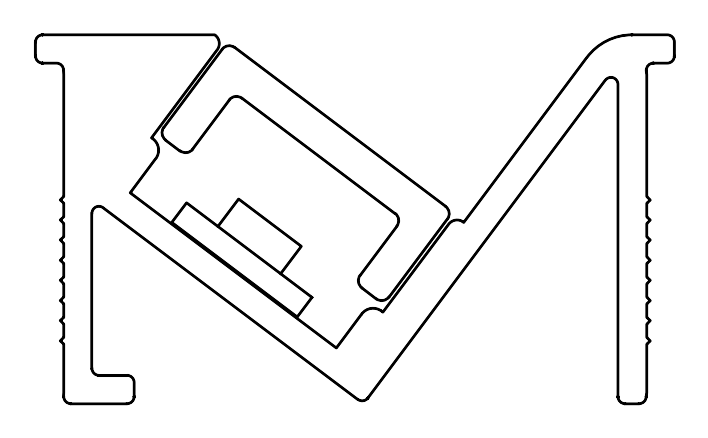 |
Recessed | Asymmetric, 110 degrees at 30 degrees off nadir | Stair risers, toe-kicks, shelving and bookcases |
| POP | 0.45” x 0.47”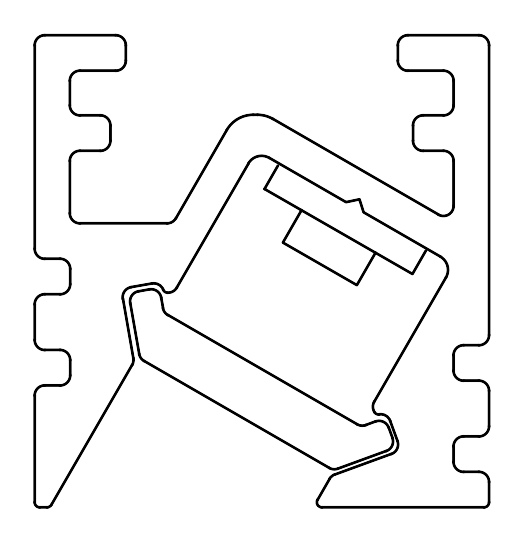 |
Surface, flanged recess or mud-in | Asymmetric, 75 to 80 degrees at 20 degrees off nadir | Millwork where the fixture should read as little as possible, and recessed details too tight for KICKER |
Which lens or louver do you specify?
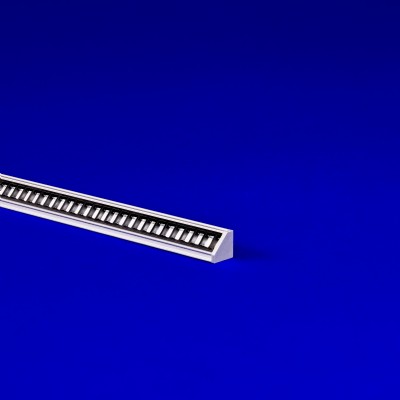
A louver blocks glare from more viewing angles, trading some output for visual comfort, so photometrics should be calculated with the louver in place. Only the integrated louver leaves the fixture size unchanged. An external louver increases the outer dimension, which must be checked against the detail before it’s specified.
Lens and louver selection does three jobs on MICRO 5. It sets the distribution, it determines whether the fixture is sealed against moisture and impact, and it controls glare. Compare the full range of QTL LED profiles.
| Option | What it does | Effect on fixture size |
|---|---|---|
| Flat (01) | Even diffusion across the aperture | None |
| Optics (02) | Narrows or shapes the distribution | Increases height of fixture |
| Encapsulated (03) | Seals the LEDs in polyurethane for ingress protection and durability | None |
| Drop (04) | Lens projects below the extrusion. ALTA only | Increases height of fixture (0.63” vs 0.43” flat) |
| Integrated louver (05) | Blocks glare from more viewing angles | None |
| External louver | Blocks glare from more viewing angles. ALTA and ATOM only; not available with the drop lens or integrated louver | Increases the outer dimension |
Encapsulation is also what makes the wet and damp location versions possible.
Which MICRO 5 fixtures are rated for wet & damp locations?
All seven MICRO 5 encapsulated fixtures carry an IP67 rating. Every one of them is wet-rated, and a wet-location listing covers damp locations as well. Every fixture in this line gets its IP67 rating from the same source: LED strips fully encapsulated in polyurethane inside a rigid extrusion.
Should you order MICRO 5 factory-built or field-installed?
MICRO 5 FLAT (01), OPTICS (02) and DROP (04) can now be ordered two ways. ENCAPSULATED (03) and LOUVER (05) ship factory-built only. The choice is between removing installation risk and gaining run length.
Factory-built. QTL assembles, terminates and tests the complete fixture before it ships. Field assembly is removed as a failure point, because the people building them build them every day. This is the right order for shorter runs and for any detail where the dimension is fixed at the time of order.
Field-installed. The components ship separately, and the fixture is assembled on site. This allows continuous runs of LEDs longer than a single factory-built fixture, up to the Class 2 limit*, and it allows the run to be resized on site if a dimension changes after the order is placed.
QTL supplies MICRO 5 LEDs only in cut-to-size lengths and Class 2 lengths. These LED strips are too delicate to solder in the field. Plus, a field solder joint is the most common point of failure in a site-built linear run.
| Order factory-built when | Order field-installed when |
|---|---|
| The run length is fixed at the time of order | The run is longer than a single factory-built fixture |
| The run is short | The dimension may still change on site |
| The install crew is not lighting-specialized | The detail must be resized during construction |
| You want QTL to own the assembly quality | Continuous uninterrupted LED length is the priority |
*A Class 2 circuit is a power-limited circuit defined by the National Electrical Code. The limit caps how much load a single run can carry, which is what caps continuous length.
What color quality and control options does MICRO 5 offer?
MICRO 5 color temperatures match QTL’s standard-size fixtures, not just each other. QTL bins its LEDs against the MacAdam ellipse on the black body curve, and MICRO 5 is binned to the same target as the SW24 tape used in QTL’s standard-size linear fixtures. A MICRO 5 fixture in a millwork reveal and a standard-size fixture in the cove above it read as the same white, on the same project and across reorders.
That is the claim most small-fixture lines cannot make, because a separate product line usually means a separate bin.
- Color rendering: up to 98 CRI and 98 R9 at 3000K, with TM-30 Rf of 94 and Rg of 101. Peak color figures occur at 1 watt per foot with a diffused lens, and R9 runs a point or two lower at 4 watts per foot.
- CCT range: 1800K to 4000K, and 2200K to 4000K in the encapsulated versions.
- Strip options: Static White, Dynamic White and RGB. The Dynamic White strip is what produces both warm dim and tunable white lighting. The strip is the product; the dimming behavior is the application.
For a worked example of how a narrow, concealed source behaves against a surface, see The Art of Grazing.
What sustainability documentation does MICRO 5 carry?
MICRO 5 carries a Declare label, which documents Red List screening, and an Environmental Product Declaration. Both are third-party documentation rather than manufacturer claims, so both can be counted toward LEED and WELL credits without further research on your end. Browse QTL Declare label products. MICRO 5 is also JA8-2019 listed, which matters on California Title 24 projects.
Which MICRO 5 configurations meet Buy American requirements?
Static White and Dynamic White meet Build America, Buy America and Buy American Act requirements, backed by QTL manufacturing in Milford, Connecticut.
One MICRO 5 fixture clears both the sustainability review and the domestic manufacturing requirement at once.
See the full MICRO 5 family and request a MICRO 5 sample.
Frequently asked questions
Will a MICRO 5 fixture fit the detail I have already dimensioned?
Check the profile table against your reveal before anything else. Flat-lens profiles run from 0.44 by 0.37 inches on ATOM to 2.08 by 0.44 inches on SLITE, and lens choice matters: flat, optics and the integrated louver leave the outer dimension unchanged, while an external louver increases it.
How do I know which MICRO 5 profile to specify?
Work from the mounting condition first. Surface or recess points to ATOM or ALTA, an inside corner to TILT, a drywall reveal to SLITE, and a riser or toe-kick to KICKER. POP covers details too tight for KICKER. Distribution and dimension narrow it from there.
Can MICRO 5 be cut or resized on site?
The run can be resized if you order field-installed components, because the fixture is assembled on site. Field-installed components are available for FLAT (01), OPTICS (02) and DROP (04); ENCAPSULATED (03) and LOUVER (05) ship factory-built only. QTL supplies the LEDs only in cut-to-size and Class 2 lengths, so the strips are never soldered in the field. Factory-built fixtures ship at a fixed length.
Can MICRO 5 be used in a bathroom, kitchen or covered exterior?
Yes, in the encapsulated versions. All seven carry IP67, and a wet-location listing covers damp locations, so a covered patio, a shower niche or a kitchen backsplash are all within scope. Non-encapsulated profiles are dry and damp rated only.
Can I mix MICRO 5 with standard-size QTL fixtures on one project?
Yes, and the color will hold. Both are binned to the same target, so a reveal and the cove above it read as the same white. Output is the constraint rather than color: MICRO 5 tops out at 4 watts per foot, so match zones by function rather than by lumen level.
Does adding a louver reduce light output?
No. A louver blocks glare from more viewing angles without cutting usable lumens, so glare control can be added without recalculating photometrics. The size consequence is the thing to watch: an external louver, offered on ALTA and ATOM only, increases the outer dimension of the fixture.
Which MICRO 5 configurations do not meet Buy American requirements?
RGB configurations are not covered. Static White and Dynamic White meet Build America, Buy America and Buy American Act requirements, backed by QTL manufacturing in Milford, Connecticut. Confirm the strip type against the project compliance requirements before specifying.
Products Featured in This Post
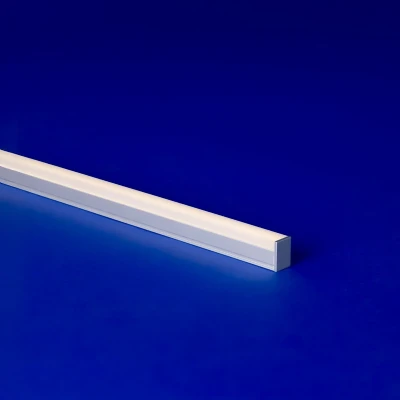

MICRO 5 ALTA-DROP (04)
MICRO 5 Series fixture with a sleek profile and three sided dropped lens
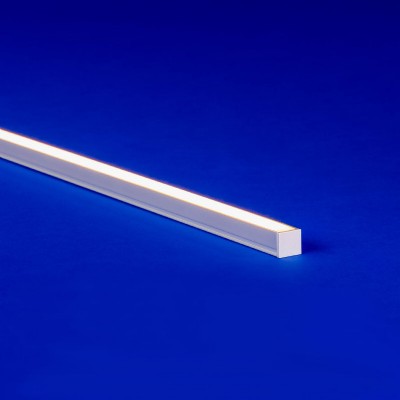

MICRO 5 ALTA-ENCAPSULATED (03)
Polyurethane filled MICRO 5 fixture, IP67 rated

MICRO 5 ALTA-FLAT (01)
MICRO 5 fixture with a sleek flat profile
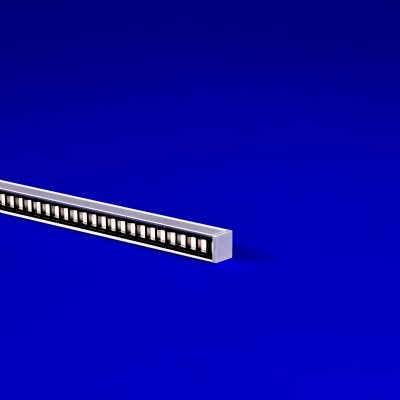
MICRO 5 ALTA-LOUVER (05)
MICRO 5 fixture that seamlessly blends with millwork details
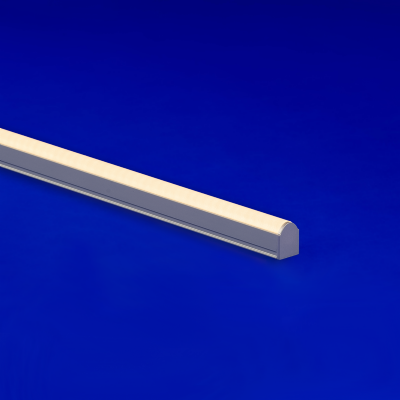

MICRO 5 ALTA-OPTICS (02)
MICRO 5 fixture with grazer lens option
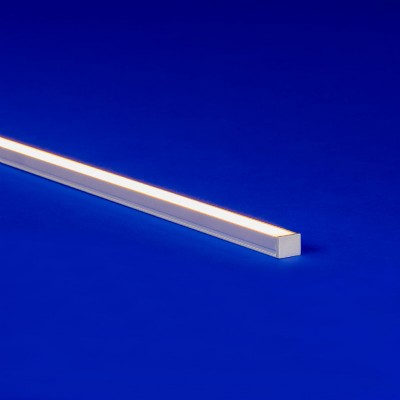

MICRO 5 ATOM-ENCAPSULATED (03)
Polyurethane filled MICRO 5 fixture with IP67 rating

MICRO 5 ATOM-FLAT (01)
MICRO 5 fixture with a sleek flat profile
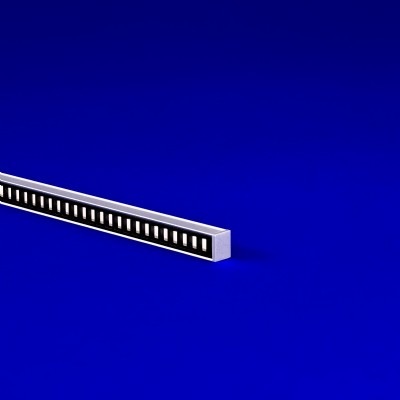
MICRO 5 ATOM-LOUVER (05)
MICRO 5 fixture that seamlessly blends with millwork details
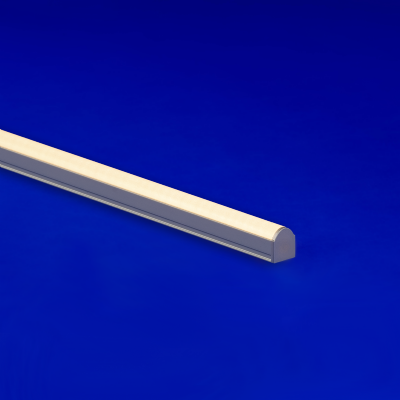

MICRO 5 ATOM-OPTICS (02)
MICRO 5 fixture with grazer lens option
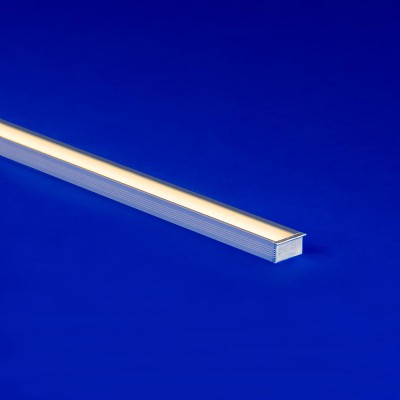

MICRO 5 KICKER-ENCAPSULATED (03)
Polyurethane-filled asymmetrical fixture with 110° focused beam 30° off-nadir

MICRO 5 KICKER-FLAT (01)
Recessable MICRO 5 fixture with a 110° focused beam 30° off-nadir
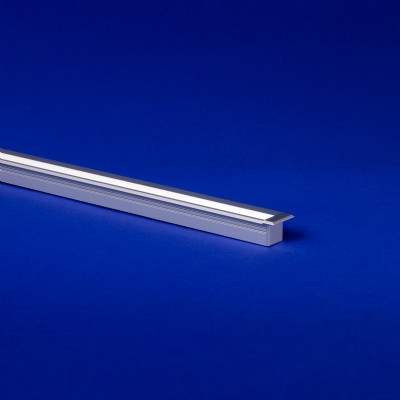

MICRO 5 POP FLANGE-ENCAPSULATED (03)
Polyurethane-filled MICRO 5 asymmetrical flanged fixture with a 75° focused beam 20° off-nadir

MICRO 5 POP FLANGE-FLAT (01)
Recessable MICRO 5 flanged fixture with a 75° focused beam 20° off-nadir
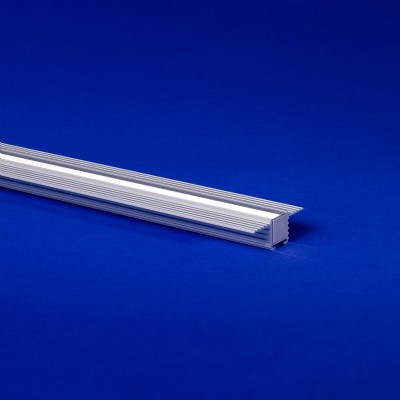

MICRO 5 POP MUD-IN-ENCAPSULATED (03)
Polyurethane-filled MICRO 5 asymmetrical fixture for flush installations

MICRO 5 POP MUD-IN-FLAT (01)
MICRO 5 fixture for flush installations
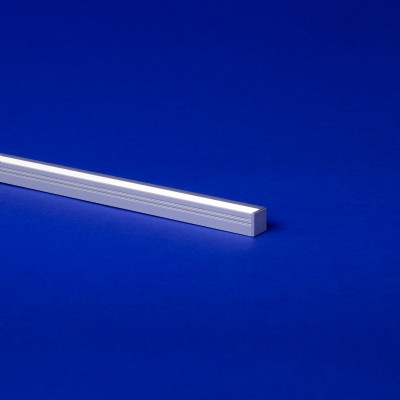

MICRO 5 POP-ENCAPSULATED (03)
Polyurethane-filled MICRO 5 asymmetrical fixture with an 80° focused beam 20° off-nadir

MICRO 5 POP-FLAT (01)
Recessable MICRO 5 fixture with an 80° focused beam 20° off-nadir
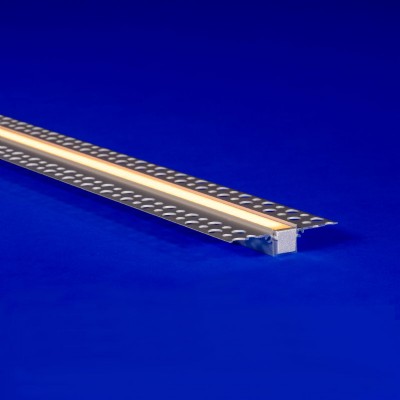

MICRO 5 SLITE-ENCAPSULATED (03)
Polyurethane filled MICRO 5 fixture with an IP67 rating
MICRO 5 SLITE-FLAT (01)
MICRO 5 fixture for flush installations

MICRO 5 TILT-FLAT (01)
Flat 45° angled lens
MICRO 5 TILT-LOUVER (05)