The Basics of DMX Lighting: Controlling Light with Precision
DMX lighting explained: a digital protocol with 512 channels per universe for precise control of dimming, color, and warm dim across LED fixtures. Three-bullet key takeaways: DMX is a digital protocol using 512 channels per universe (8-bit values, 0–255) for precise control of dimming, color temperature, and RGB intensity. A DMX system has four parts: controller, power supply/decoder, fixtures, and cables; one universe controls up to 170 RGB or 128 RGBW fixtures. Standout capabilities include dynamic color changing and warm dim, which shifts color temperature as it dims for an incandescent-like glow.
In recent years, advancements in lighting technology have revolutionized how we illuminate our spaces, with DMX (Digital Multiplex) lighting emerging as a game-changer. Originally crafted for theater and entertainment, DMX has evolved into a standard for lighting control, celebrated for its precision and versatility. In this blog, we’ll demystify DMX lighting, explain its workings, and showcase how it can transform your lighting setup with effects ranging from cozy ambiances to dramatic color changes and seamless dimming.
What is DMX Lighting?
DMX is a digital protocol widely embraced for communication between lighting controllers and DMX-enabled LED fixtures. It operates with 512 channels organized into a single universe, allowing for precise management of individual lights or groups, making it a staple in both architectural and entertainment settings. Each DMX channel—the core unit of this system—carries an 8-bit value (0-255) that dictates a specific aspect of a fixture, such as dimming, color temperature, or RGB intensity. DMX power supplies act as intermediaries, decoding the control signals and translating the data into power adjustments for the LEDs, ensuring seamless operation.
A DMX address corresponds to a channel. To control multiple light fixtures independently, each fixture must be given a unique starting address that does not conflict with others in the system. The complexity of your lighting effects dictates the number of DMX channels required. For instance, an RGB light requires one channel per color, whereas an RGBW light needs four channels. Therefore, a DMX Universe can control up to 128 RGBW fixtures (512/4 = 128) or 170 RGB fixtures.
How is DMX Used?
DMX lighting control systems are highly versatile and can be used in various applications, from dazzling stage productions and lively concerts to sophisticated residential or commercial lighting installations. A DMX system typically comprises four main components:
- DMX Controller: The brain of the operation, sending out data signals to manage the lighting fixtures.
- DMX Power Supply/Decoder: The translator, taking in the DMX data from the controller and sending specific signals to the fixture hooked up to the driver based on this data.
- DMX Fixtures: The lights that respond to the DMX signals, visually bringing your lighting design to life.
- DMX Cables: Specialized cables that connect the controller to the fixtures, ensuring smooth data transmission.
DMX systems can be scaled to fit any project size, from a handful of fixtures to hundreds, making them perfect for both intimate settings and grandiose events.
Color Changing
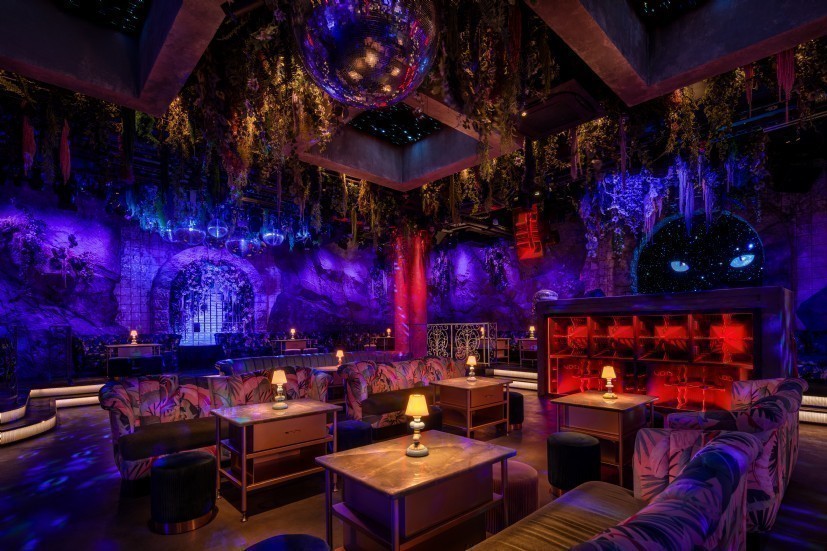
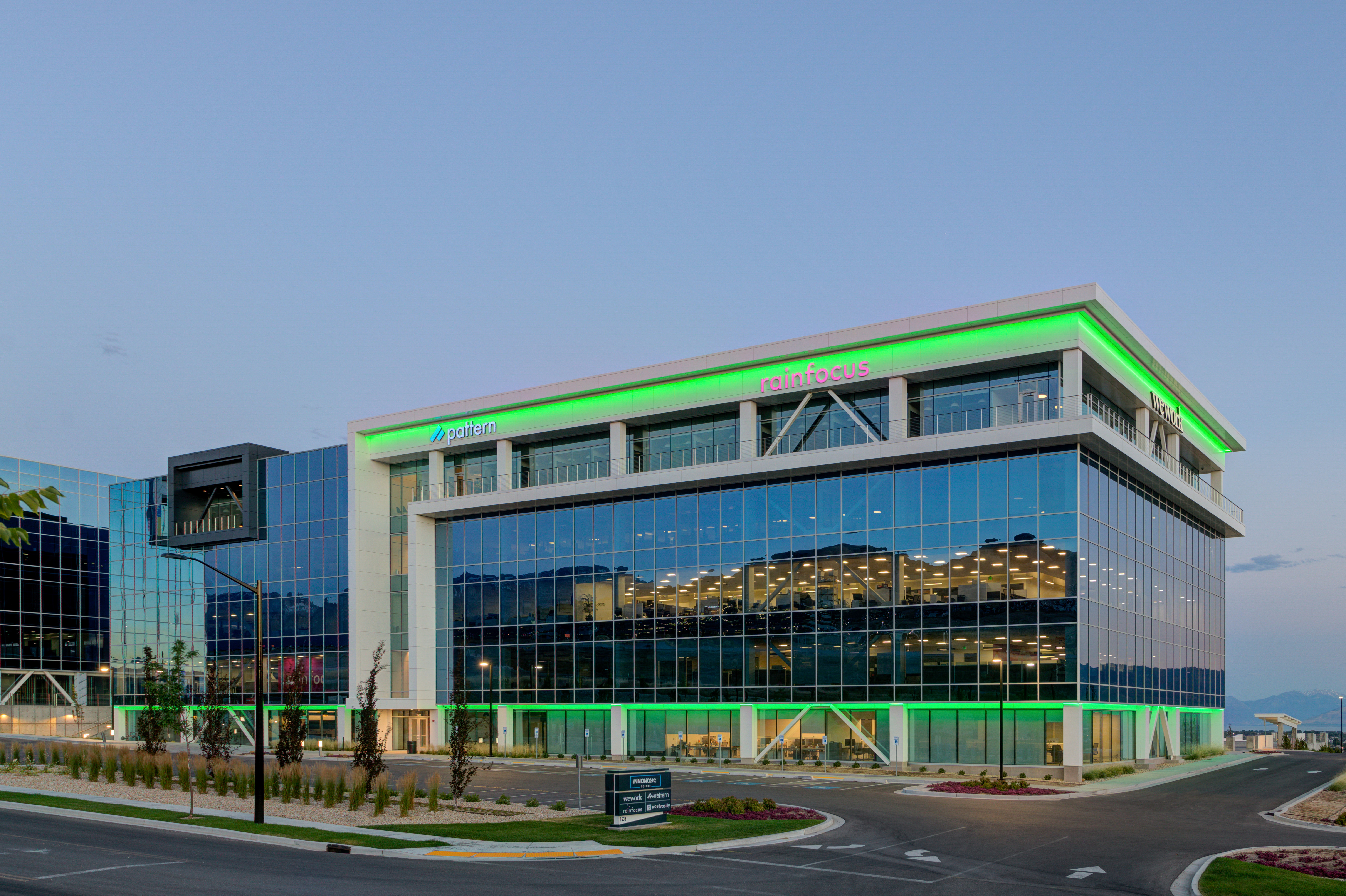
One of the standout features of DMX lighting is its ability to create vibrant, dynamic color-changing effects. With RGB or RGBW LED fixtures, you can mix and match colors on the fly, producing stunning visuals that captivate audiences. This is especially useful for event spaces, retail environments, and public areas where engaging and dynamic lighting can enhance the experience and capture attention.
Warm Dim
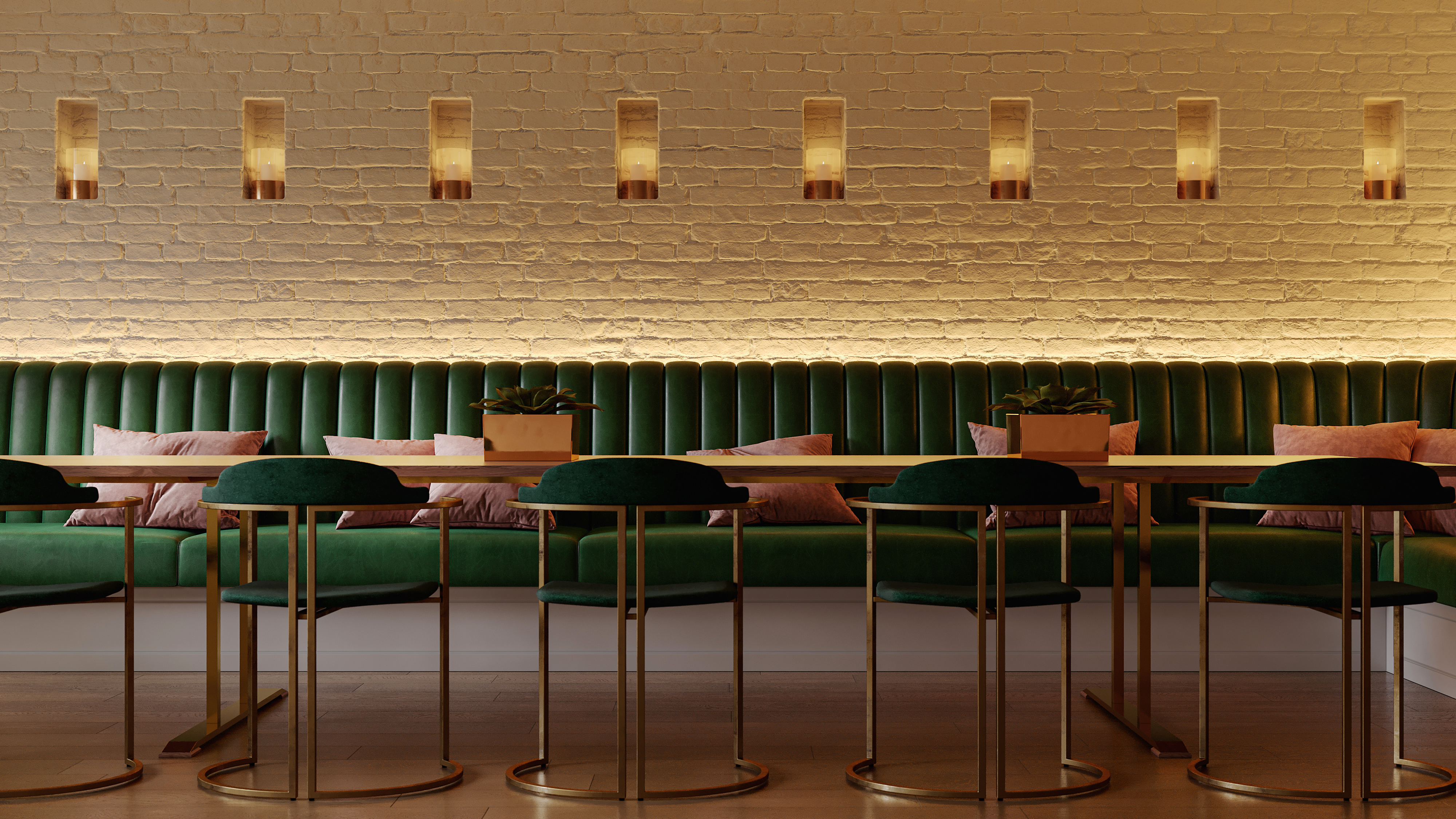
DMX control offers the unique ability to mimic the warm, inviting glow of incandescent bulbs through harnessing warm dim LED technology. Unlike traditional dimming that merely reduces light output, warm dim technology adjusts the color temperature as the light dims, creating a cozy and comfortable ambiance. This feature is ideal for restaurants, hotels, and homes where a warm and welcoming atmosphere is desired.
DMX lighting control is a powerful tool for creating precise and dynamic lighting effects. By understanding the basics of DMX lighting, you can leverage this technology to transform any space with light. Whether you're looking to create a cozy and snug ambiance, implement warm dim technology, or experiment with color-changing lights, DMX provides the flexibility and control needed to bring your lighting vision to life.
For a step-by-step guide on setting up your DMX power supply, watch our video.
FAQs
What is DMX lighting?
DMX is a digital protocol used for communication between lighting controllers and DMX-enabled LED fixtures. It operates on 512 channels within a single universe, enabling precise control of individual lights or groups. This makes it a staple in both architectural and entertainment lighting. Each channel carries an 8-bit value (0–255) that governs a specific aspect of a fixture, such as dimming, color temperature, or RGB intensity, while DMX power supplies decode the control signals and translate them into power adjustments for the LEDs.
What is a DMX address, and how many fixtures can one universe control?
A DMX address corresponds to a channel, and each fixture needs a unique starting address so it doesn't conflict with others on the system. The number of channels a fixture needs depends on the complexity of the effect: an RGB light needs one channel per color, while an RGBW light needs four. That means a single DMX universe can control up to 128 RGBW fixtures (512 ÷ 4) or 170 RGB fixtures.
How is DMX lighting used?
DMX control systems are highly versatile, spanning stage productions and concerts to residential and commercial lighting installations. They can be scaled to fit any project size, from a handful of fixtures to hundreds, suited to both intimate settings and large-scale events.
What are the four main components of a DMX system?
- DMX Controller: sends out the data signals that manage the lighting fixtures.
- DMX Power Supply/Decoder: receives the DMX data from the controller and sends the corresponding signals to the fixture's driver.
- DMX Fixtures: the lights that respond to the DMX signals.
- DMX Cables: specialized cables connecting the controller to the fixtures for smooth data transmission.
What is DMX color changing?
DMX lighting can create vibrant, dynamic color-changing effects with RGB or RGBW fixtures, letting you mix and match colors on the fly. It's especially useful in event spaces, retail environments, and public areas where dynamic lighting adds engagement.
What is warm dim?
Warm dim is a DMX-enabled feature that mimics the warm glow of incandescent bulbs. Rather than just reducing light output, it shifts the color temperature as the light dims, creating a cozy, inviting ambiance. It's a good fit for restaurants, hotels, and homes.