Esports Lighting Changes the Game at Syracuse University
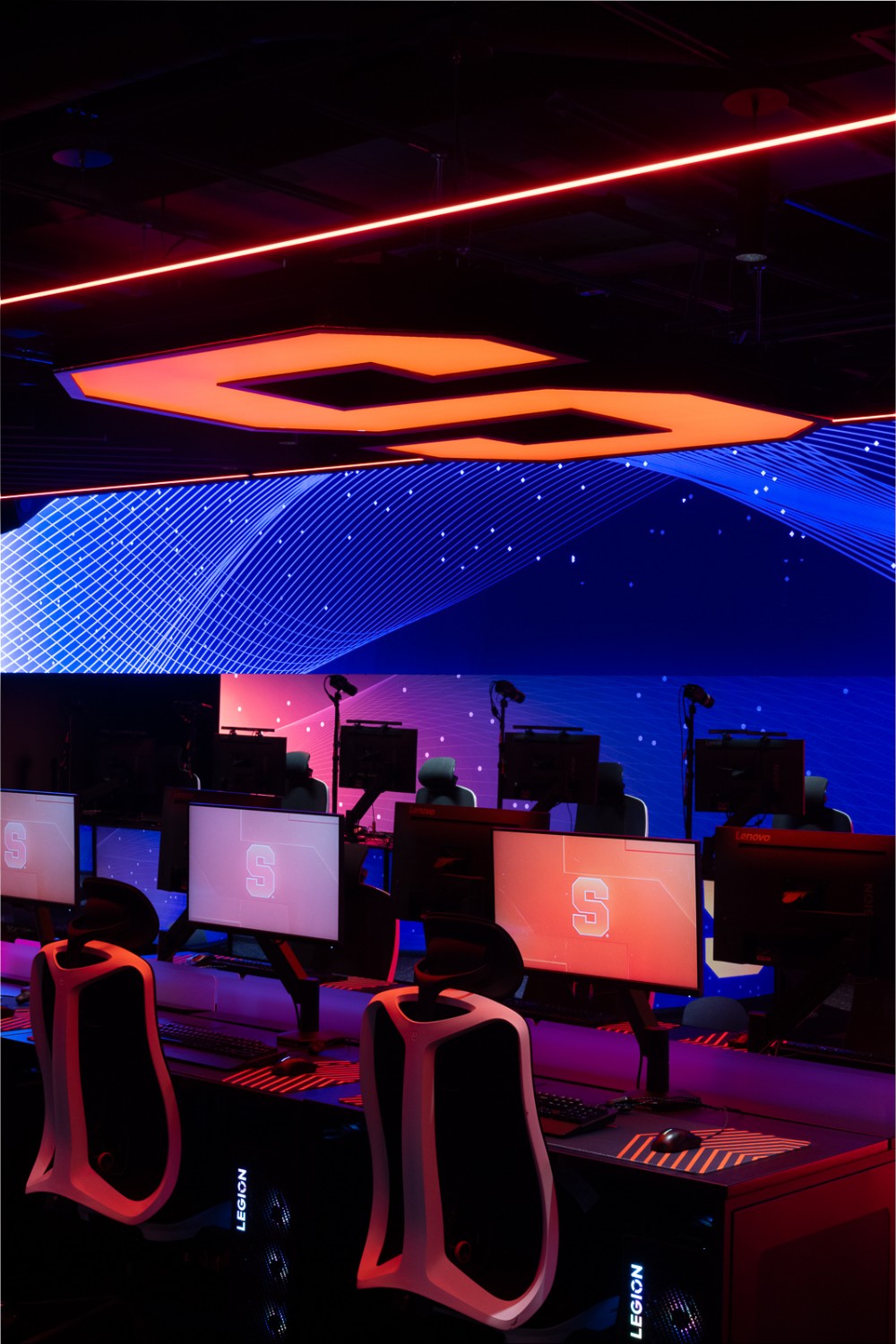
The ground floor of Syracuse University's Schine Student Center is home to one of the most advanced tech-forward esports centers in the country. In this gamer’s paradise, LED light cuts through a dark, electric landscape of gaming stations, racing simulators, broadcast-ready screens, and theatrical color.
The facility functions as part student lounge, part competition venue, part immersive event space. For Dan Hatt, Senior Designer at Peterson Guadagnolo Consulting Engineers, the goal was to create an environment that could adapt quickly and easily using expert layered lighting techniques.
Esports lighting illuminates a popular new campus destination
The space has become one of the most active destinations on campus, drawing more than 30,000 students in 2025 and ranking among the Schine Student Center’s most visited areas. But its success depends on a careful balance. During the day, a student might stop in for a quick round of Mario Kart or spend a break with friends. After hours, Syracuse’s competitive esports program takes over with theatrical control, team identity, and a sense of spectacle.
“The space that we built is for casual and competition gaming,” Hatt explained, “Our design was to make it capable of powerful, interesting, complex events,” Hatt said, “and yet also feature static looks for day-to-day operations.”
Layered lighting adapts to casual and competitive gaming
That flexibility gives the room its personality. Above the main gaming area, VERS-PROUD-SK (01) fixtures with QTL’s RGB24/6.0 color-changing LEDs shift between home and away team colors during Syracuse Esports competitions. The system can also beam with color-correct Syracuse orange and blue, creating an atmosphere that feels alive and unmistakably tied to campus culture.
The most memorable transformation happens during events. When fog machines are used for high profile matches, haze moves through the space and makes beams from the lighting visible, adding to the intensity.
“What do the kids think when they walk in?” Hatt asked. “They just say, ‘Wow, this feels like a rock show.’ And that’s what I hoped to get.”
The project took nearly two and a half years to complete and represents an approximately $7 million investment in student life, technology, and competitive gaming. For Hatt, the result is successful because it meets students where they are.
“It’s the center of campus,” he said. “Kids walk by it every day. If they want to go get their Dunkin’ Donuts or pick up lunch, they’re going to see it. Maybe they’ve got half an hour to spend playing Mario Kart with their buddies. It’s a great place for them to have some hangout, chill time.”
LED gaming lighting balances visibility and glare control
Hatt organized the lighting environment around distinct layers of function, atmosphere, and visual energy. The first was the most practical: a general illumination system that could support long hours of screen-based activity in a room defined by dark finishes.
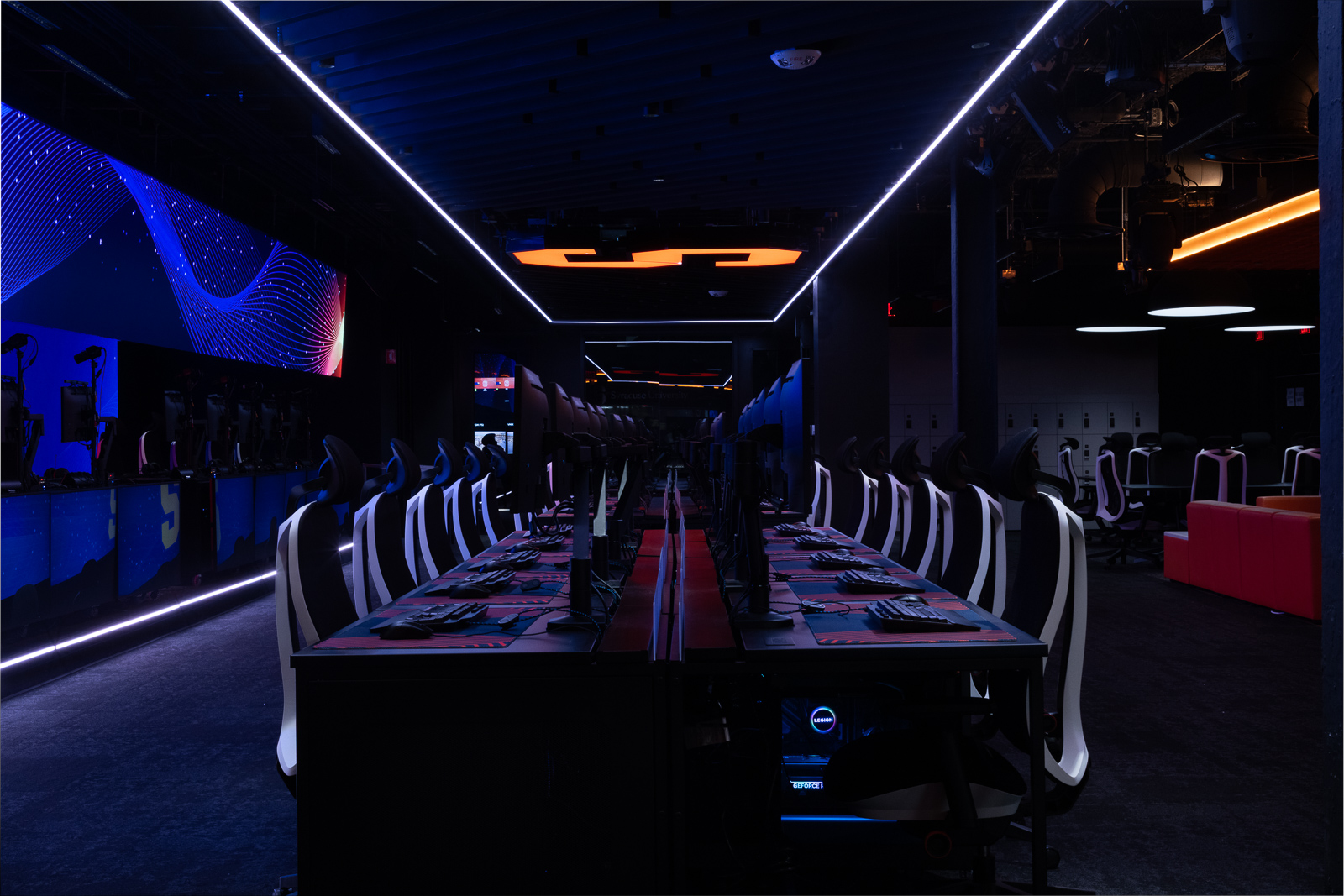
“You’ve got functional layer, which is the suspended black linear fixtures with the micro-optics,” he explained. “That’s your general lighting. And because this room is so dark, all the carpets and ceiling elements are dark, I needed to provide a lot of light but also not cause glare.”
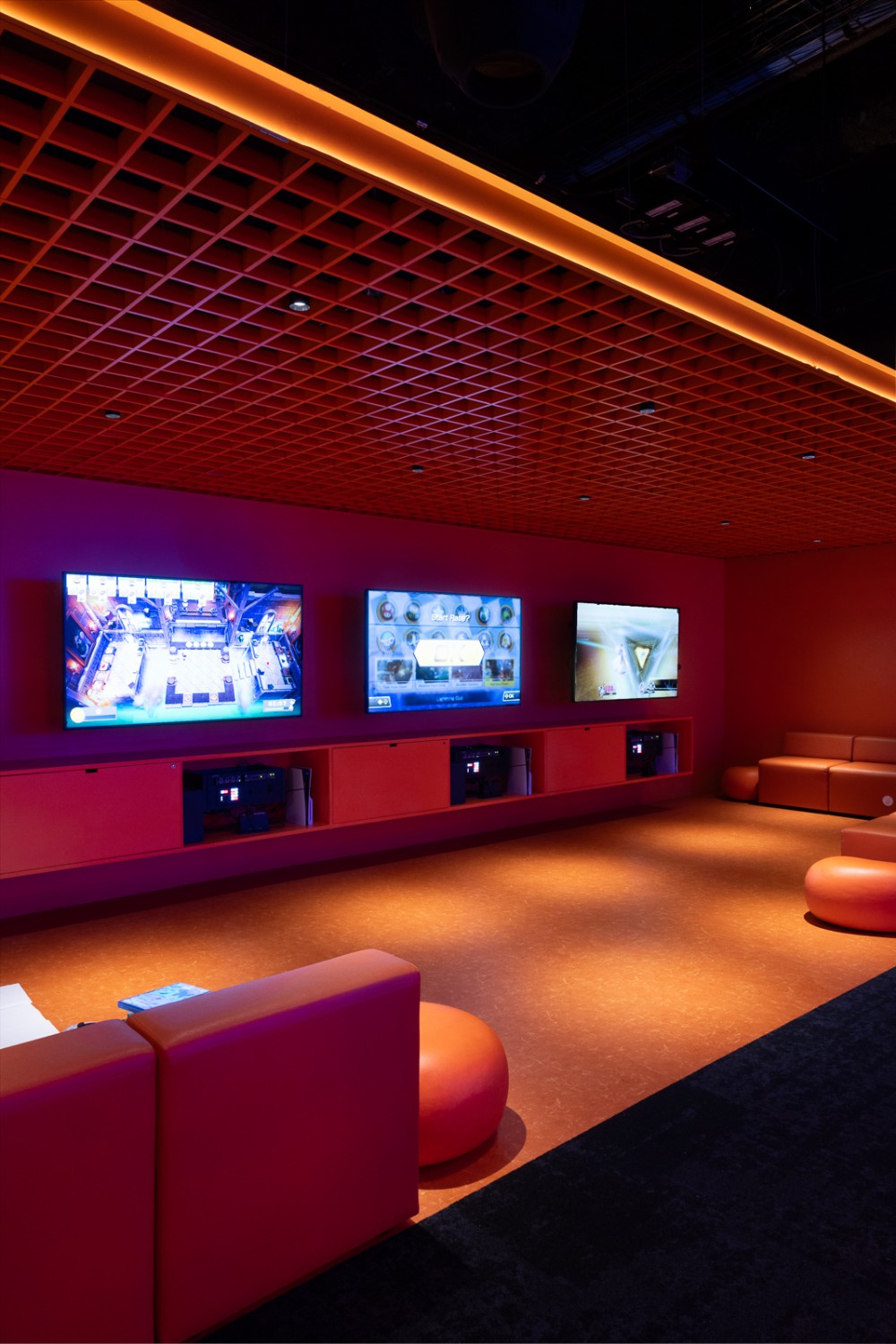
In an esports environment, lighting should serve the players without competing with the screens. Too little light would flatten the room and make circulation difficult. Too much glare would distract from gameplay.
Flexible LED panels create a bold ceiling feature
One area is impossible to ignore yet was surprisingly easy to install. Hatt created the supersized orange Syracuse “S” on the ceiling with Q-SHEETS, QTL’s flexible LED panels designed to provide uniform illumination while mounting securely in both vertical and overhead applications.
From there, the lighting becomes more expressive. Around the perimeter, concealed linear Q-CAP KURV uplighting adds a sense of motion and depth, pulling the eye beyond the gaming stations and into the architecture of the room, including the individual zones defined by lighting. Hatt described the impact lighting had on a living room themed area of the space.
“You’ve got a low ceiling element there that we wanted to punch,” Hatt said. “And an uplight along the perimeter of the room draws your eye away from what’s in front of you and makes you look around. It gives the space a little bit of a wow factor and separates it from the larger open space. That makes it feel more like a living room for the players.”
In the racing simulator area, warm Q-CAP ANYBEND fixtures create a halo effect.
Color-changing LEDs add atmosphere to esports
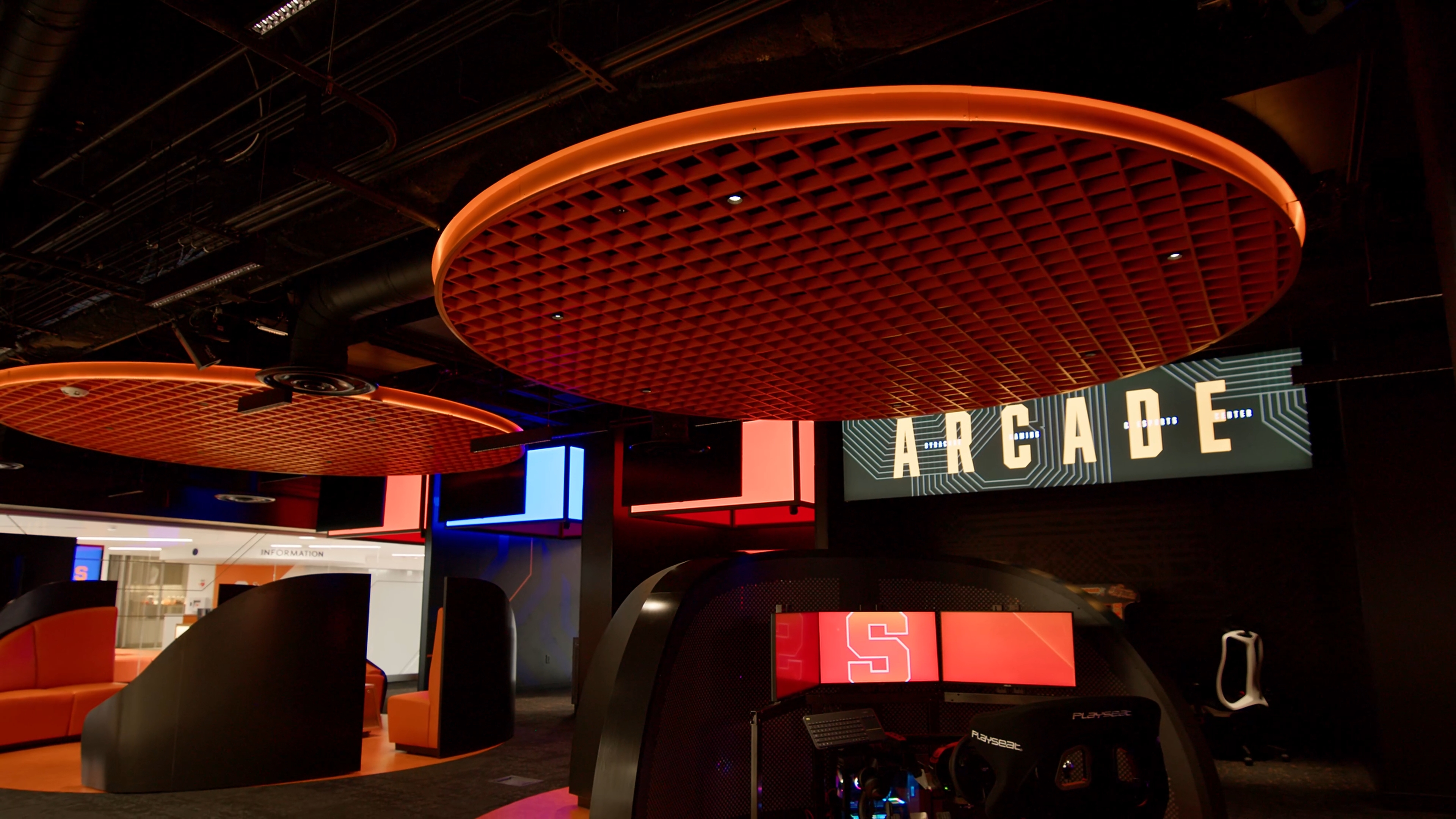 “Linear lighting uplights the ceiling feature to make it glow,” Hatt noted. “Low intensity, but also low color temperature, to accentuate the Syracuse orange.”
QTL delivers performance and reliability
Designing a space this ambitious required more than creative lighting concepts. It required a manufacturer that could execute them. When asked why he specified QTL, Hatt pointed first to trust.
“QTL’s reputation,” he said. “The build quality of the products is excellent, and the color consistency is good. I can trust that QTL is going to get the job, understand it, provide the product, and I’m not going to have issues.” For Hatt, that confidence extends beyond product performance. “QTL gets the job done and then stands behind the job.”
Inside the completed Syracuse University esports center, LED gaming lighting works in several ways at once. It supports visibility, reinforces brand identity, shapes circulation, creates comfort, and delivers theatrical impact when the moment calls for it. Some students may notice the beam effects first. Others may simply feel the room is somewhere they want to spend time.
“There are people that don’t see light, that don’t appreciate the power and impact that light has on the environment,” Hatt reflected. “They may feel it, but they can’t put a name to it. And I think they still appreciate it.”
For the students passing through Schine Student Center every day, the light is doing exactly what it was designed to do: changing the energy of the space before the first game even begins.
Game for more examples of lighting in Education?
Products Featured in This Post
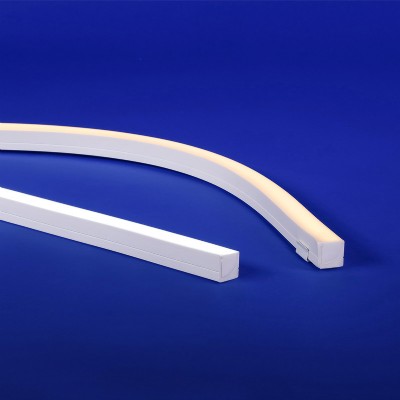
Q-CAP KURV
Side bend flexible encapsulated LED fixture, IK10 impact rated
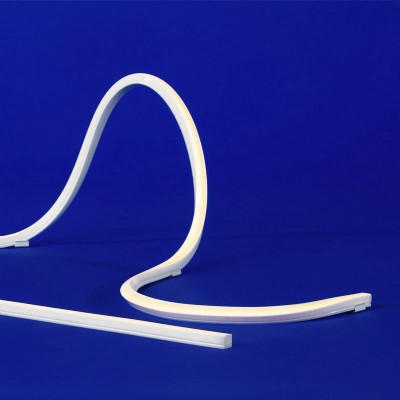
Q-CAP ANYBEND
Flexible micro-fixture with up/down and side bending capabilities
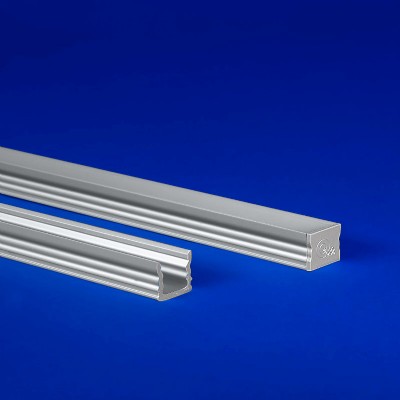
TORQ
Surface mount aluminum extrusion
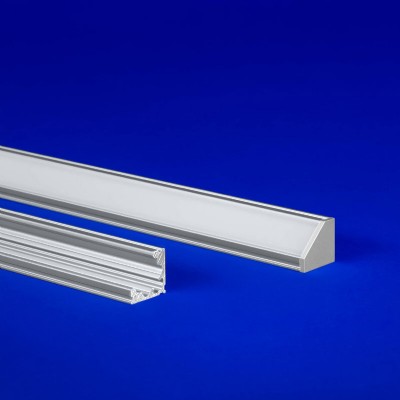
VEVE™
45-degree angled corner LED aluminum extrusion
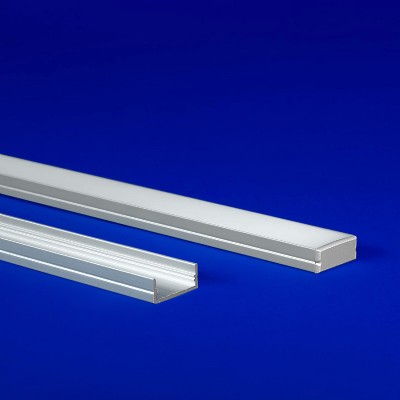
WIDE
Wide aluminum LED profile
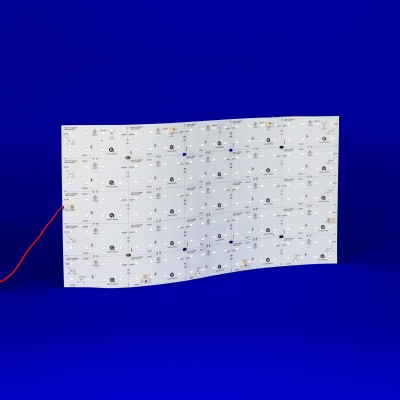
Q-SHEETS STATIC WHITE
24V DC Dimmable Flexible Static White LED Panel
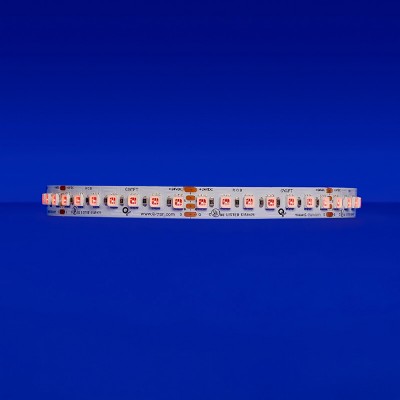
RGB24/6.0
24-volt, 6.0 watt/foot dynamic color RGB linear LED strip
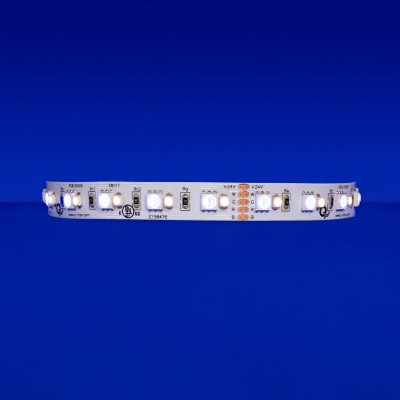
RGBW24/6.0
24-volt, 6.0-watt/foot RGBW linear LED strip
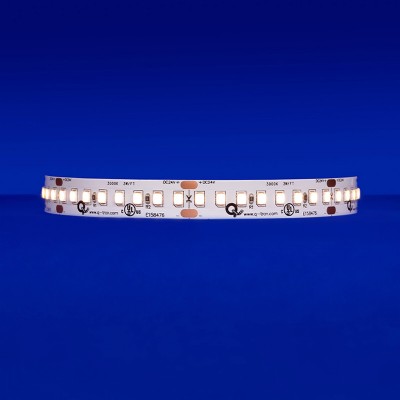
SW-HE24/6.0
771 lm/ft @ 3000k, 8 diodes per 2" cut point.
SW-HE24/3.0
407 lm/ft @ 3000k, 8 diodes per 2" cut point.
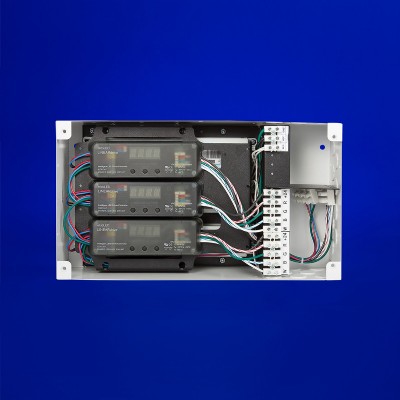
QTM-eLED+DMX
100-400W at 24VDC
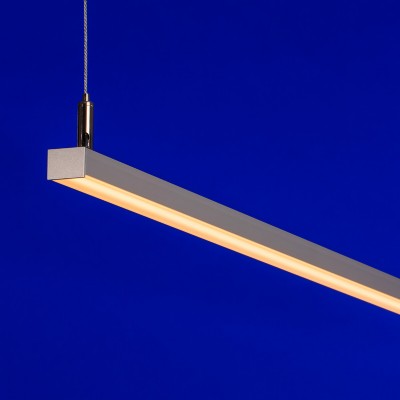
VERS-PROUD-SK (01)
The lens creates a slim decorative line of light along the edge of the fixture